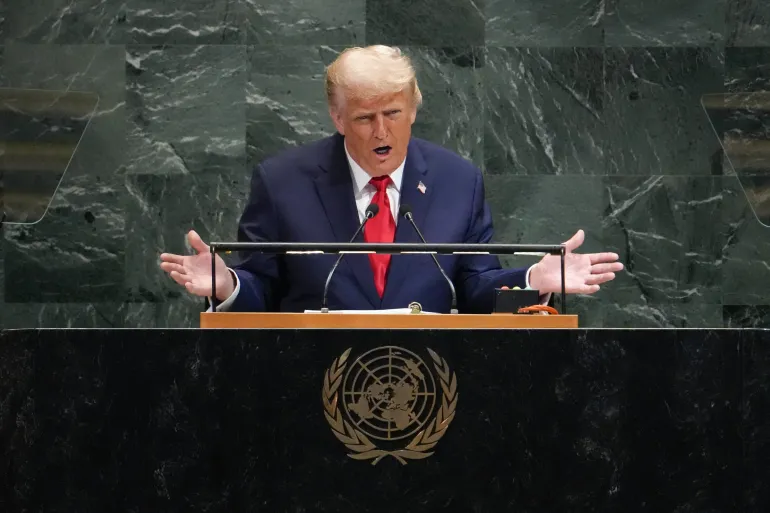
The United States is preparing to withdraw from dozens of United Nations agencies and international organizations, marking a major shift in its approach to global diplomacy and multilateral cooperation. The move signals a renewed focus on national interests and domestic priorities, according to officials familiar with the decision.
What the Withdrawal Involves
The planned withdrawal would affect a wide range of international bodies, including organizations focused on health, culture, human rights, education, and global development. While not all agencies have been publicly named, the scale of the move suggests one of the most significant pullbacks from international institutions in recent US history.
The decision is expected to roll out in phases rather than all at once.

Why the US Is Taking This Step
US officials say the move is driven by concerns over cost, effectiveness, and political alignment. Some organizations are viewed as no longer serving American interests or failing to deliver measurable results despite heavy US funding.
There are also concerns that certain international bodies have become overly politicized or influenced by rival global powers.

Impact on Global Diplomacy
The United States has historically played a leading role in shaping international institutions. A large-scale withdrawal could reduce US influence on global policy decisions while opening space for other nations to expand their leadership roles.
Supporters argue that stepping back allows the US to reassess commitments and redirect resources domestically. Critics warn that it could weaken global cooperation on issues like health crises, security, and climate challenges.

What This Means for Americans
For most Americans, the impact will be indirect but significant. US involvement in international organizations affects global stability, trade relations, and coordinated responses to international emergencies.
The withdrawal may also influence how US businesses, researchers, and humanitarian groups engage with global programs in the future.

Reactions and Debate at Home
The decision has sparked debate within the US political landscape. Supporters see it as a necessary correction to decades of overcommitment abroad. Opponents argue that disengagement could harm America’s global standing and long-term strategic interests.
Lawmakers from both sides are expected to push for hearings and further clarification.

What Happens Next
Formal withdrawal processes vary by organization and may take months or even years to complete. Some exits could still be reversed depending on future policy decisions or negotiations.
For now, the announcement signals a clear shift in how the US plans to engage with international institutions moving forward.
Final Thoughts
The US decision to withdraw from dozens of UN and international organizations represents a turning point in foreign policy. Whether it strengthens national focus or reduces global influence will depend on how the transition is managed and what strategies replace these long-standing partnerships.
As the situation develops, the global community will be watching closely to see how this move reshapes international cooperation.